
902-893-8410
Tools and Resources for
HR Immigration Strategy

Contents
Overview and Introduction
The trucking industry continues to evolve, with new technologies, changing regulations and an ongoing need for highly skilled workers. Women play an essential role in this industry, yet they remain under-represented and often face barriers that impact recruitment, retention and advancement.
Many women report challenges related to culture, safety, work-life balance, and limited visibility into career paths. At the same time, employers report difficulty attracting and retaining talent in a competitive labour market.
Supporting women in trucking is not only the right thing to do, it strengthens companies. Inclusive workplaces experience better retention, stronger safety performance, higher engagement and improved business outcomes.
This toolkit provides employers with practical steps to create workplaces where women are welcomed, supported and positioned for long-term success.

Creating a Gender-Inclusive Culture

Commitment from Leadership
Long-term change begins at the top. Leaders must commit to supporting women in trucking not as a one-time initiative but as part of the company’s vision and strategic direction.
Actions include:
-
Bringing senior leaders together to discuss diversity goals
-
Setting clear, measurable targets
-
Embedding inclusion into mission, values and culture
-
Monitoring progress over time
-
When leadership sets the tone, inclusive behaviours follow across all departments.
Creating an Inclusion Committee
A committee helps guide planning, gather feedback, and build buy-in. This group can review policies, identify barriers, and recommend improvements.
What the committee can do:
-
Review recruitment materials, training and policies for gender-inclusive language
-
Conduct a workplace assessment to understand current conditions
-
Identify gaps in culture, safety and support systems
-
Recommend short and long-term actions
-
Having employees at the table ensures the work reflects real experiences across the company.

Safe, Respectful & Inclusive Workplaces

Harassment-Free Workplace Policy
A respectful workplace policy sets expectations and helps prevent harassment, discrimination and inappropriate behaviour. It should clearly define sexual harassment, outline reporting steps and reinforce zero-tolerance.
Employers are legally responsible for preventing and responding to harassment.
Violence Prevention
Violence in trucking can stem from customers, other road users or workplace conflicts. Drivers and employees who work alone or off-site may face higher risks, including women who can be perceived as more vulnerable.
A violence prevention program should include:
-
Hazard assessments for all roles
-
Clear safe-work practices
-
Training for managers and employees
-
Emergency response plans
-
Reporting and investigation procedures
-
Employee support resources
-
Regular reviews of the program


Working Alone Policy
Working alone presents risks such as injury, illness or violence. A good policy identifies hazards and ensures employees have the tools to stay safe.
Key elements:
-
Identifying who works alone
-
Providing emergency contact systems
-
Check-in procedures
-
Training on safe work practices
-
Proper lighting and visibility
-
Considering buddy systems where possible
Complaint Resolution Procedures
Employees need a safe way to report harassment or discrimination without fear of retaliation.
Strong procedures include:
-
Multiple reporting options
-
Clear timelines
-
Competent and unbiased investigators
-
Confidentiality
-
Written findings
-
Follow-up and support
-
Clear communication of outcomes
-
Guidance for filing with human rights bodies if needed
-
This builds trust and empowers employees to speak up early.

Flexible Work Options

Women often cite flexibility as one of the most effective ways to support work-life balance. In trucking, flexibility can look different depending on the role.
Options may include:
-
Flexible shifts (e.g., 4-on / 4-off)
-
Flexible daily hours
-
Work-sharing arrangements
-
Part-time roles
-
Hybrid or at-home work where appropriate
-
Flexible options increase productivity, reduce stress and can enhance retention, especially for women with caregiving responsibilities.
Diversity Training
Diversity training helps employees understand gender differences, eliminate bias and strengthen communication. With over 85% of the trucking workforce being male, training helps everyone navigate workplace dynamics respectfully.
Training should be part of:
-
Employee orientation
-
Supervisor/manager development
-
Ongoing company-wide training
-
A downloadable presentation can support employers in launching their own diversity sessions.

Mentorship

Mentorship is one of the strongest tools for advancing women.
Benefits:
-
Builds confidence
-
Supports career growth
-
Helps employees navigate challenges
-
Strengthens succession planning
-
Increases retention
-
Women often hesitate to self-promote or ask for advancement opportunities. Mentors help them identify goals, prepare for roles, and highlight their contributions.
A strong mentorship program is structured, supported by leadership, and reviewed regularly.
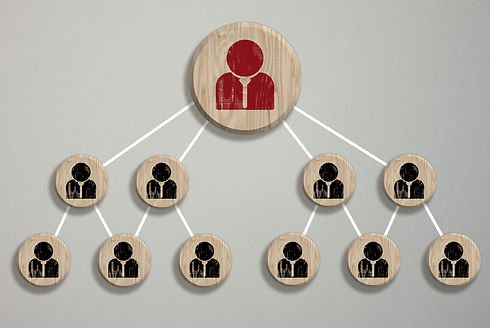
Career Pathing & Development
Women want to understand how they can grow within an organization. A formal career development process reduces the guesswork and ensures equal access to opportunities.
Effective career pathing includes:
-
Sharing an organizational chart that identifies career paths
-
Clear job descriptions outlining skills, responsibilities and competencies
-
Recognizing both vertical and lateral moves
-
Using performance reviews to discuss goals and aspirations
-
Offering training and development tied to the employee’s plan
-
Assigning mentors for guidance
-
Regular check-ins to track progress
-
Templates help employees and managers build clear, actionable plans.
Professional Development

Women report wanting to feel fully competent in their roles before pursuing advancement. This makes professional development essential for building confidence and encouraging women to step forward.
Professional development may include:
-
Internal training
-
Job-shadowing
-
Supervisory development programs
-
Safety, compliance or technical training
-
Leadership development
-
Knowledge empowers employees and creates stronger leaders.
Networking
Networking builds visibility, opens doors and creates community. Employers can support women by:
Internally
-
Hosting inclusive social events
-
Encouraging participation in committees
-
Supporting cross-departmental collaboration


Externally
Encourage women to engage with:
-
THRSC Atlantic
-
Atlantic Provinces Trucking Association
-
Nova Scotia Trucking Safety Association
-
PEI Trucking Sector Council
-
Transportation Club of Moncton
-
Women’s Trucking Federation of Canada
-
Trucking HR Canada
-
Women in Trucking Association
-
OBAC
Networking strengthens both employees and the industry.
Measurement & Evaluation
What gets measured improves. Tracking data helps employers understand progress and adjust programs.
Measurement tools
-
Employee surveys
-
Feedback forms
-
Suggestion boxes
-
Department meetings
-
Exit interviews
-
Retention rate tracking (including gender-specific)
For example, if you have 10 female drivers and 2 leave in a period:2 ÷ 10 × 100 = 20% turnover
-
Tracking helps set realistic goals and evaluate strategies.

Resources & Downloads
Making the Case
Recruiting Women
-
Success Motivational Poster
Recruiting Women